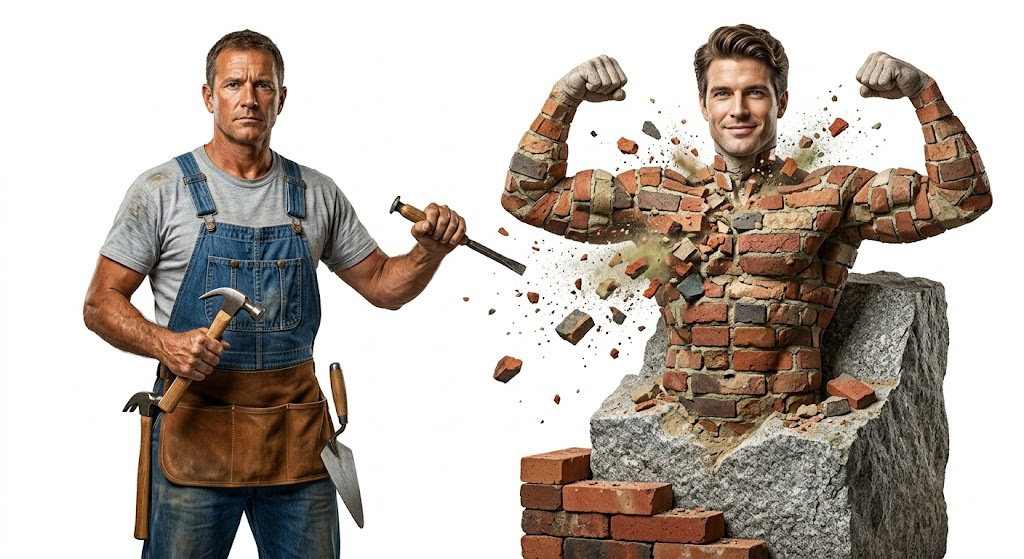
Many people use the words strength and dominance as if they mean the same thing. They don’t. While both can influence how a person is perceived, they come from completely different places. One is built on character, discipline, and confidence. The other often depends on control, intimidation, or the need to prove something.
Understanding the difference can change the way you approach work, relationships, leadership, and even your own personal growth.
Real strength isn’t loud. It doesn’t need an audience. Dominance, on the other hand, often seeks attention and validation. Learning to recognize the difference can help you become a more respected man rather than simply a more intimidating one.
What Is Real Strength?
Strength begins from within. It is the ability to remain steady when life becomes difficult. It is showing discipline when no one is watching and making the right decision even when it is inconvenient.
Strength is not measured by physical size, wealth, or social status. Those things may be impressive, but they don’t automatically make someone strong.
A strong man:
- Keeps his word.
- Accepts responsibility for his actions.
- Controls his emotions instead of being controlled by them.
- Learns from failure.
- Treats others with respect.
- Stays calm under pressure.
Strength is built over time through consistent choices. Every difficult conversation, every promise kept, and every challenge overcome adds another layer to your character.
What Is Dominance?
Dominance is the desire to control people, situations, or conversations. Sometimes it appears as confidence, but often it is driven by insecurity.
A dominant person may interrupt others, demand attention, dismiss different opinions, or constantly compete to prove superiority.
Dominance isn’t always aggressive. It can also appear through manipulation, passive-aggressive behavior, or constantly seeking the upper hand.
While dominance may create short-term compliance, it rarely creates long-term respect.
People may obey someone because they feel pressured, but genuine trust cannot be forced.
Confidence Doesn’t Need to Be Loud
One of the biggest misconceptions is that confident men always speak the loudest or take over every room.
In reality, confidence often looks quiet.
A confident man listens before speaking. He doesn’t panic when someone disagrees with him because his self-worth isn’t dependent on winning every argument.
He knows who he is.
Someone who constantly needs to remind others of their importance usually isn’t as secure as they appear.
Leadership Is Built on Strength
The best leaders are rarely the most intimidating people in the room.
Strong leaders inspire rather than threaten. They earn loyalty instead of demanding it.
When mistakes happen, they accept responsibility.
When someone succeeds, they share the credit.
When problems arise, they look for solutions instead of people to blame.
Employees, teammates, friends, and family naturally follow leaders they trust.
Fear may produce immediate results, but respect produces lasting influence.
Emotional Control Is a Form of Strength
Life will always present situations that test your patience.
Someone criticizes you.
A project fails.
A relationship ends.
You lose money.
Your plans fall apart.
Dominance often reacts emotionally. It lashes out, argues, or looks for someone else to blame.
Strength pauses before responding.
Being able to manage your emotions doesn’t mean pretending they don’t exist. It means recognizing them without allowing them to dictate every decision.
Remaining calm during stressful situations is one of the clearest signs of maturity.
Respect Cannot Be Forced
Some people believe respect comes from making others fear them.
That approach usually creates distance instead.
People may become careful around someone who is intimidating, but that isn’t genuine respect.
Real respect grows from consistency.
People notice when you keep your promises.
They notice when you’re honest.
They notice when you admit mistakes.
They notice when you treat everyone fairly, regardless of their position or status.
Over time, those habits build a reputation that doesn’t need constant defending.
Strength Includes Humility
Humility is often misunderstood as weakness.
In reality, admitting you don’t know something requires confidence.
Learning from others requires confidence.
Changing your opinion after receiving better information requires confidence.
Dominance struggles with these things because it fears appearing weak.
Strength understands that growth matters more than appearing perfect.
The strongest people continue learning throughout their lives.
Physical Strength Isn’t Enough
Building your body is valuable. Exercise improves health, discipline, and confidence.
But physical strength alone doesn’t determine character.
History has shown countless examples of physically powerful individuals who lacked integrity, self-control, or compassion.
True development includes both body and mind.
A balanced man invests in his health, his knowledge, his relationships, and his emotional maturity.
Healthy Relationships Require Strength
Dominance creates competition within relationships.
One person always has to win.
Someone always has to be right.
Arguments become battles instead of conversations.
Strength creates partnership.
It allows room for listening.
It encourages honesty.
It respects boundaries.
It accepts compromise without seeing it as defeat.
Whether you’re dealing with family, friends, or a romantic partner, relationships become stronger when mutual respect replaces the desire to control.
Strong Men Build Others Up
One of the easiest ways to identify real strength is by observing how someone treats those with less power.
Strong men mentor.
They encourage.
They teach.
They celebrate other people’s success instead of feeling threatened by it.
Dominance often feels challenged whenever someone else succeeds.
Strength understands that helping others grow doesn’t reduce your own value.
In fact, it often increases your influence.
Discipline Creates Lasting Strength
Strength isn’t built in one dramatic moment.
It develops through ordinary decisions repeated consistently.
Getting up when you don’t feel motivated.
Working toward long-term goals.
Managing your finances responsibly.
Keeping healthy habits.
Following through on commitments.
Every small act of discipline strengthens your character.
Eventually, those habits become part of who you are.
Final Thoughts
The world often rewards loud personalities and bold appearances, but lasting respect comes from something deeper.
Strength isn’t about controlling other people. It’s about controlling yourself.
It’s the ability to stay grounded during difficult times, remain humble during success, and treat others with dignity regardless of circumstances.
You don’t have to dominate every room to make an impact. The men who leave the greatest legacy are usually those whose actions consistently match their values.
Focus on building character instead of chasing power. Develop discipline instead of ego. Earn respect instead of demanding it.
Those qualities last far longer than any temporary display of dominance.
RGmen
Mindset. Discipline. Lifestyle.
About the Author
RGmen.com is an independent website dedicated to mindset, discipline, and lifestyle. Every article is written to share honest thoughts, practical advice, and real-life lessons that help men build better habits, make smarter decisions, and become the best version of themselves.